Web Design Somalia
Introduction: Somalia’s Growing Digital Presence
Table of Contents
Web Design in Somalia ” Somalia is undergoing a remarkable digital transformation, with its online presence expanding rapidly. Once characterized by limited connectivity, the nation has witnessed a significant surge in internet adoption and technological advancements. As of early 2025, Somalia recorded approximately 10.7 million internet users, representing over half of its population. This growth is largely attributed to a “mobile-first digital revolution,” where mobile money services are widely used and mobile internet serves as the primary mode of connectivity. This burgeoning digital landscape presents immense opportunities, making web design in Somalis a critical component for businesses and organizations aiming to connect with a growing online audience.
Key Pillars of Web Design for the Somali Market
To succeed in this dynamic environment, web design for the Somali market must consider several crucial elements that cater to local infrastructure, user behavior, and cultural nuances.
Mobile-First and Responsive Design
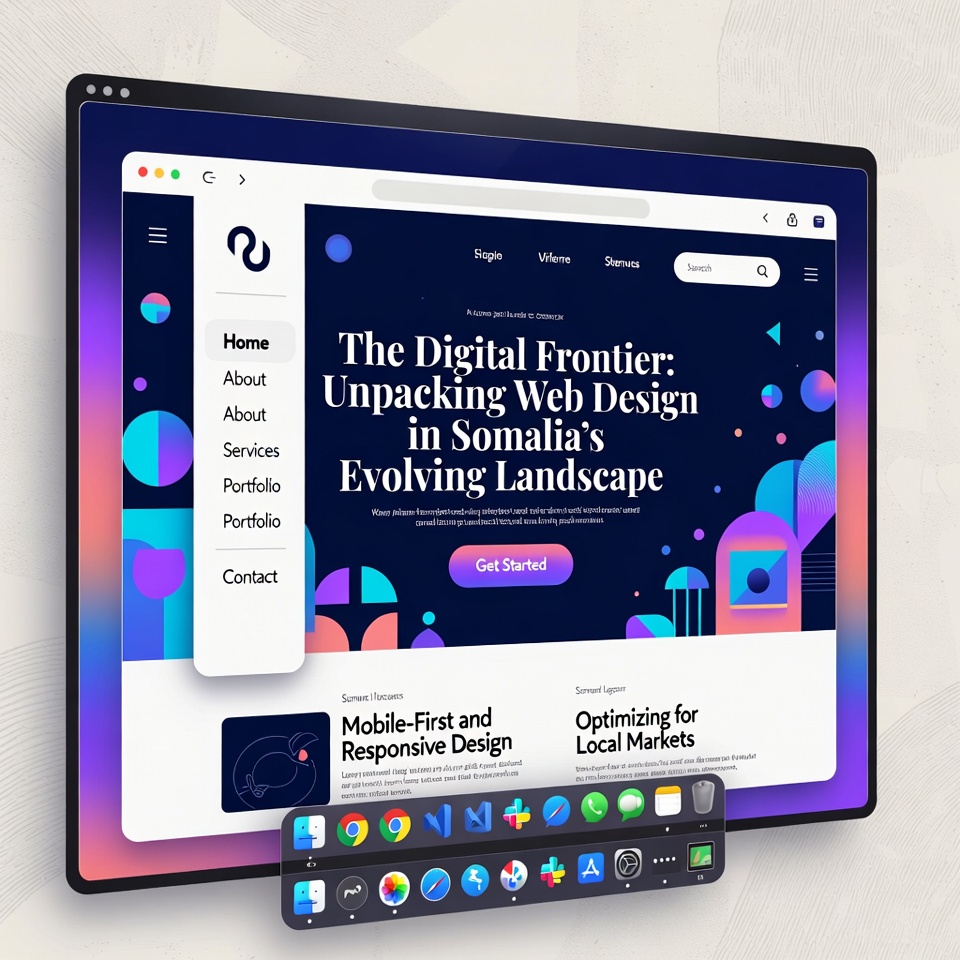
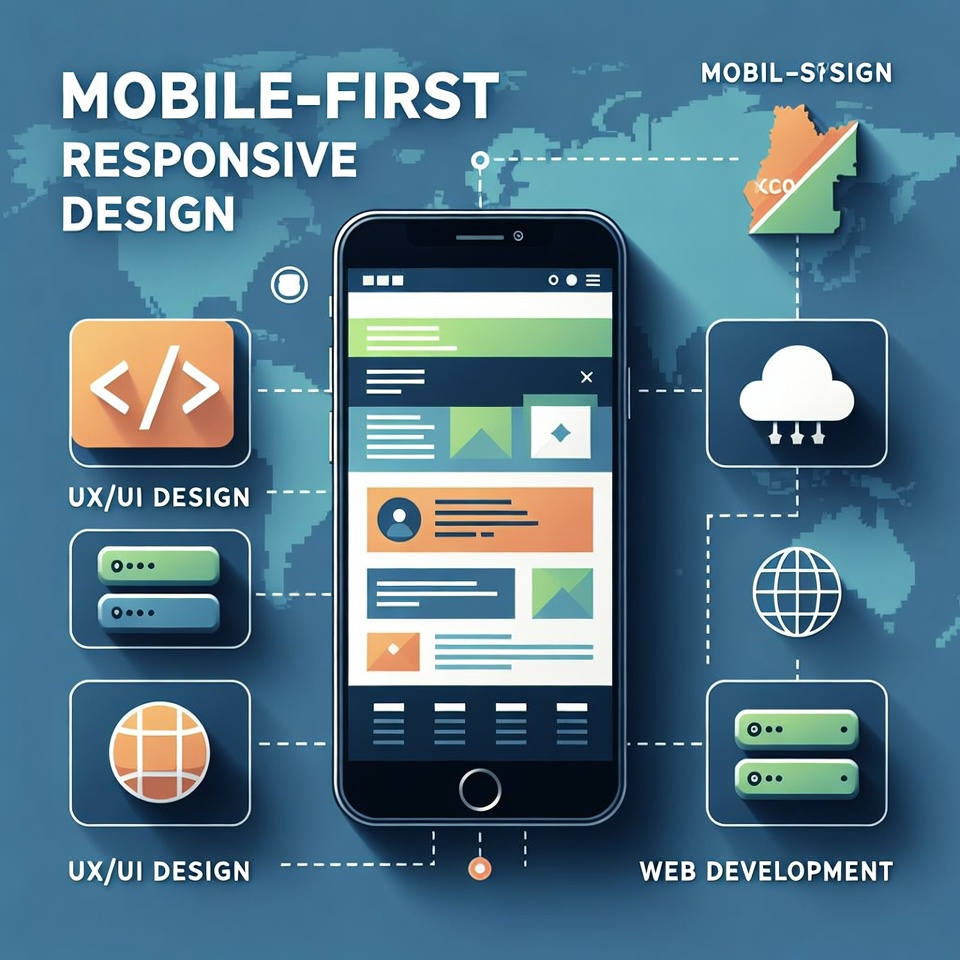
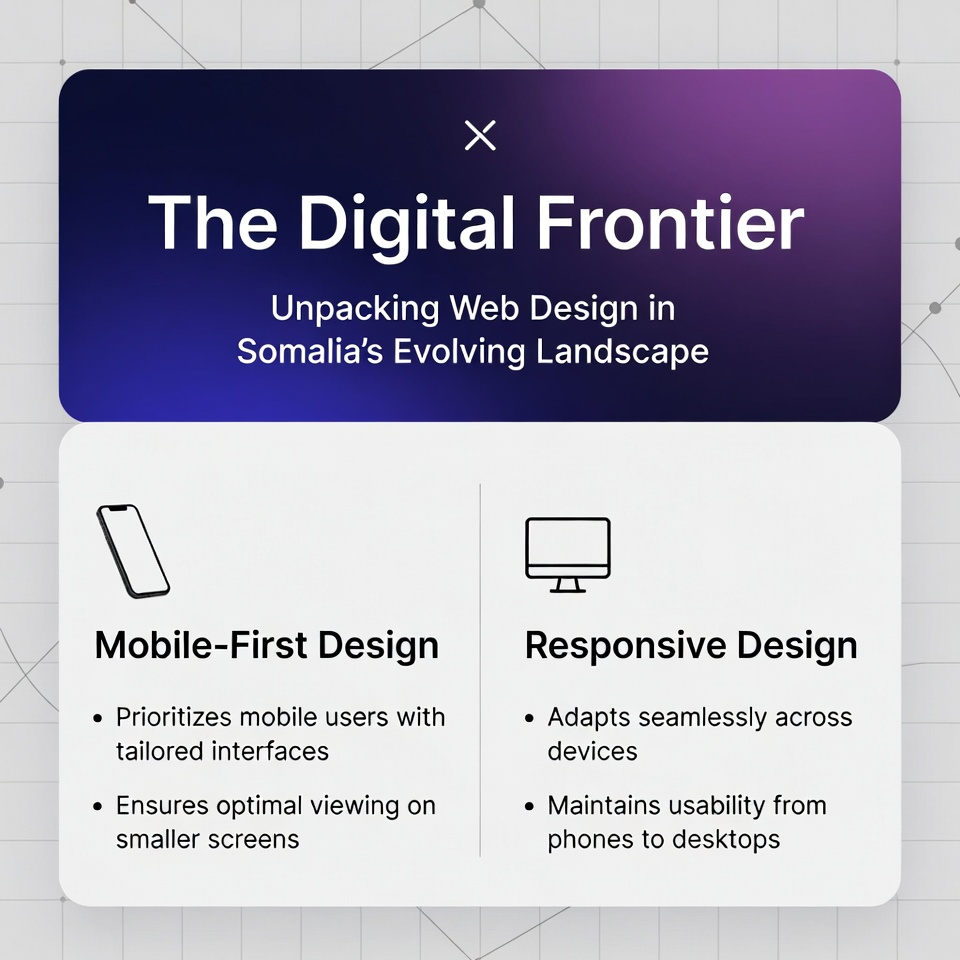
Given that most Somalis access the internet via smartphones, mobile-first design is paramount. Websites must be fully responsive, adapting seamlessly to various screen sizes to ensure an optimal user experience across all devices. This approach ensures accessibility and engagement for a broad audience.
Fast Loading Speeds
Internet speeds can vary, particularly outside major urban centers. Therefore, optimizing websites for fast loading speeds is essential to prevent user frustration and reduce bounce rates. Efficient coding, optimized images, and reliable hosting contribute to a smoother browsing experience.
User Experience (UX) and Local Relevance
A well-structured layout that guides users intuitively is fundamental, especially for those new to online services. Incorporating local cultural elements into design can help businesses connect more deeply with their audience. Websites should also feature clear calls to action to enhance user engagement.
E-commerce and Mobile Money Integration
The rise of e-commerce in Somalia is heavily driven by mobile money platforms such as EVC Plus and Zaad. Websites, particularly those for businesses, must integrate these payment solutions seamlessly to facilitate online transactions. This provides a secure and accessible way for customers to make purchases.
SEO Optimization
For businesses to be discovered online, Search Engine Optimization (SEO) is crucial. Websites need to be built with SEO best practices from the ground up to achieve higher rankings in search results, increasing visibility and attracting more organic traffic.
Opportunities, Challenges, and the Future Outlook
The growth of web design in Somalis is intertwined with a unique set of opportunities and challenges.
Opportunities
- Youthful Population: Approximately 75% of Somalia’s population is under 35, driving significant demand for internet and ICT services. This creates a fertile ground for digital innovation and adoption.
- Affordable Internet: Somalia boasts some of the most affordable internet rates globally, ranking 7th worldwide and 1st in Africa for the cheapest average cost of 1GB of internet data. This affordability encourages wider internet usage.
- Diaspora Engagement: A large Somali diaspora contributes to the growth of the ICT sector, seeking digital solutions to connect with family and invest back home.
- Government Support: The Somali government recognizes ICT as a national priority and has launched a Digital Strategy 2025–2030 to strengthen infrastructure and create technology-related jobs.
- E-commerce Boom: The e-commerce sector is experiencing a strong rise, with local entrepreneurs leveraging digital platforms to disrupt traditional trade models.
Challenges
- Infrastructure Gaps: Despite advancements, challenges persist in last-mile connectivity and the availability of stable energy sources, particularly outside major cities.
- Digital Literacy and Skills: Low levels of digital literacy and a skills gap among developers can hinder the effective utilization of digital tools and the development of high-quality solutions.
- Cybersecurity Risks: Rapid digital growth has outpaced the development of robust cybersecurity frameworks, leaving businesses and individuals vulnerable to online fraud and cyberattacks. Somalia lacks a fully implemented national cybersecurity strategy and an operational Computer Emergency Response Team.
- Trust in Digital Platforms: Low adoption rates for e-government services and some e-commerce platforms are partly due to limited awareness and a lack of trust in digital platforms.
The future outlook for web design in Somalis is promising, with continuous expansion of fiber optic networks and increasing investment in the tech sector. The government’s commitment to digital transformation, coupled with the entrepreneurial spirit of the youth, suggests a continued upward trajectory for the digital economy.
Frequently Asked Questions About Web Design in Somalia
- Is internet access widespread in Somalia? Yes, internet access is growing rapidly. As of early 2025, over half of Somalia’s population, approximately 10.7 million people, were internet users.
- What are the most important features for a website in Somalia? Key features include responsive design for mobile devices, fast loading speeds, clear calls to action, and SEO optimization. Integration with local mobile money payment systems is also crucial for e-commerce.
- Are there opportunities for e-commerce in Somalia? Absolutely. E-commerce is a fast-growing sector, largely driven by the widespread adoption of mobile money platforms. Many businesses are leveraging online platforms for sales and delivery services.
- What are some challenges faced by web designers in Somalia? Challenges include a skills gap among developers, issues with communication with clients, and the need for improved digital infrastructure. Cybersecurity is also a significant concern.
- Does the Somali government support digital initiatives? Yes, the government considers ICT a national priority and has launched a Digital Strategy 2025–2030 to enhance internet infrastructure and promote job creation in the technology sector.
Conclusion: Paving the Way for Digital Growth
The landscape of web design in Somalis is dynamic and ripe with potential. As internet penetration increases and the digital economy expands, the demand for high-quality, culturally relevant, and functionally robust websites will only continue to grow. While challenges such as infrastructure limitations and cybersecurity risks persist, the strong commitment from the government, the entrepreneurial drive of its youthful population, and the widespread adoption of mobile technology are collectively paving the way for significant digital growth. By focusing on mobile-first design, seamless e-commerce integration, and continuous skill development, web design professionals are poised to play a pivotal role in shaping Somalia’s digital future.